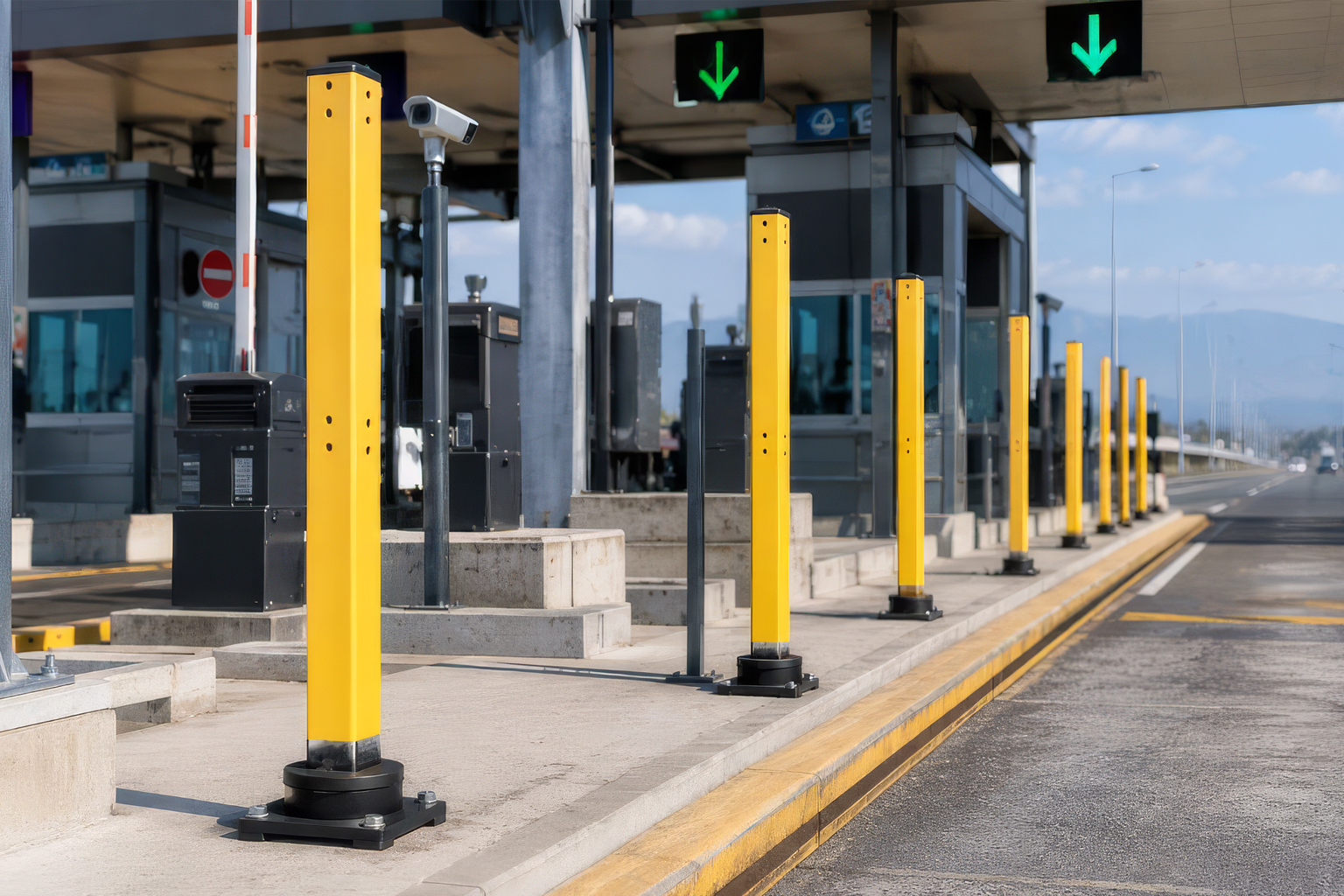
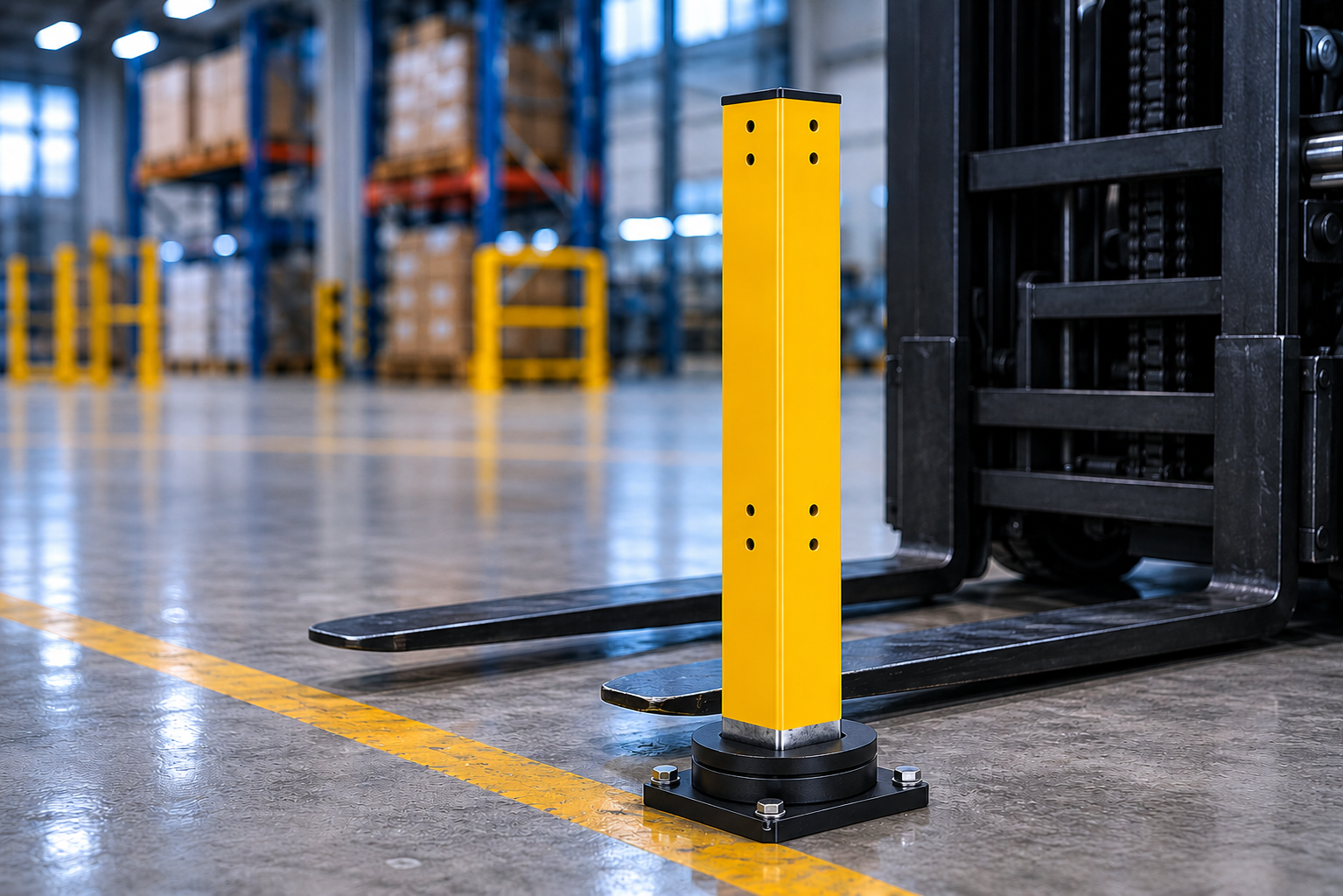
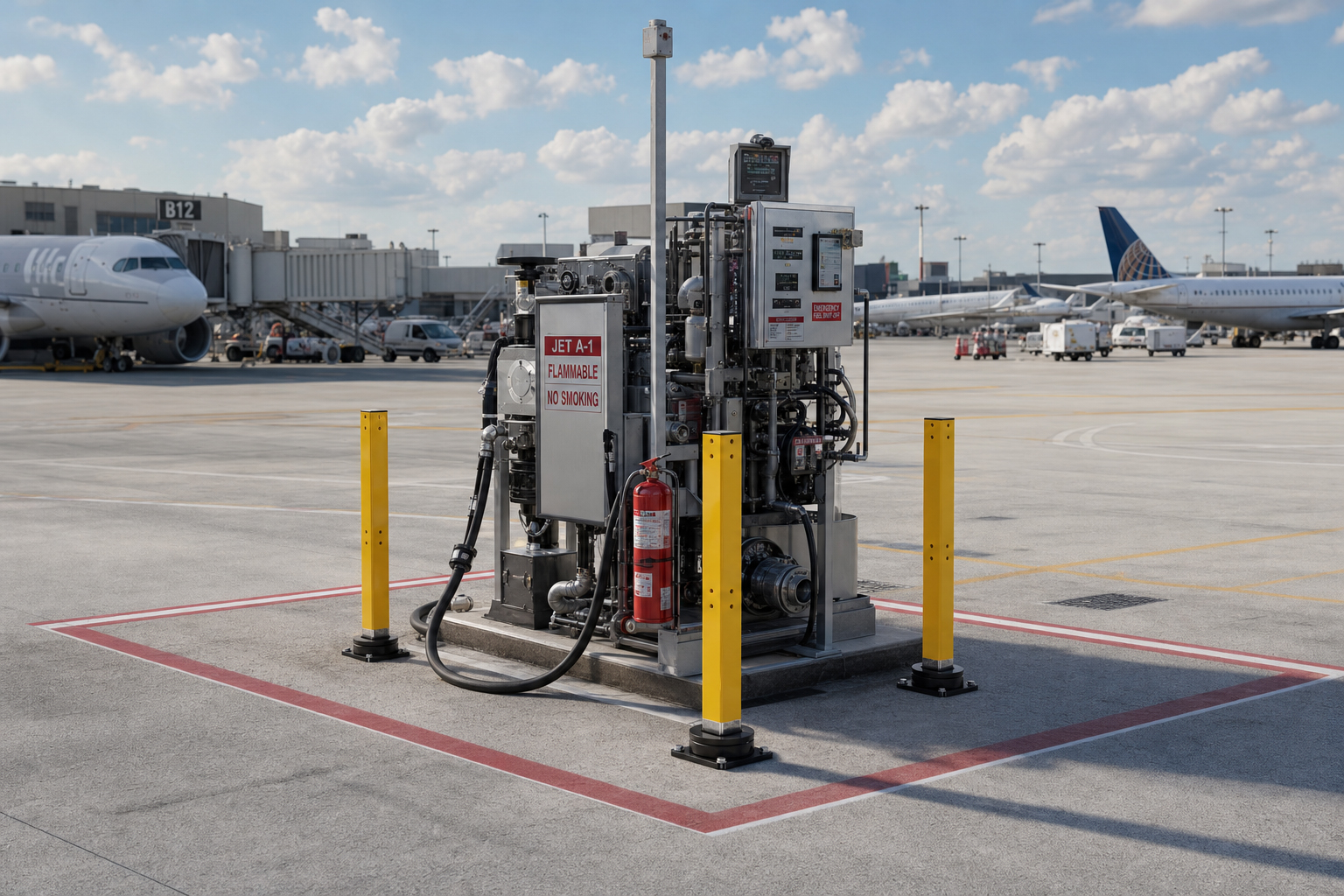
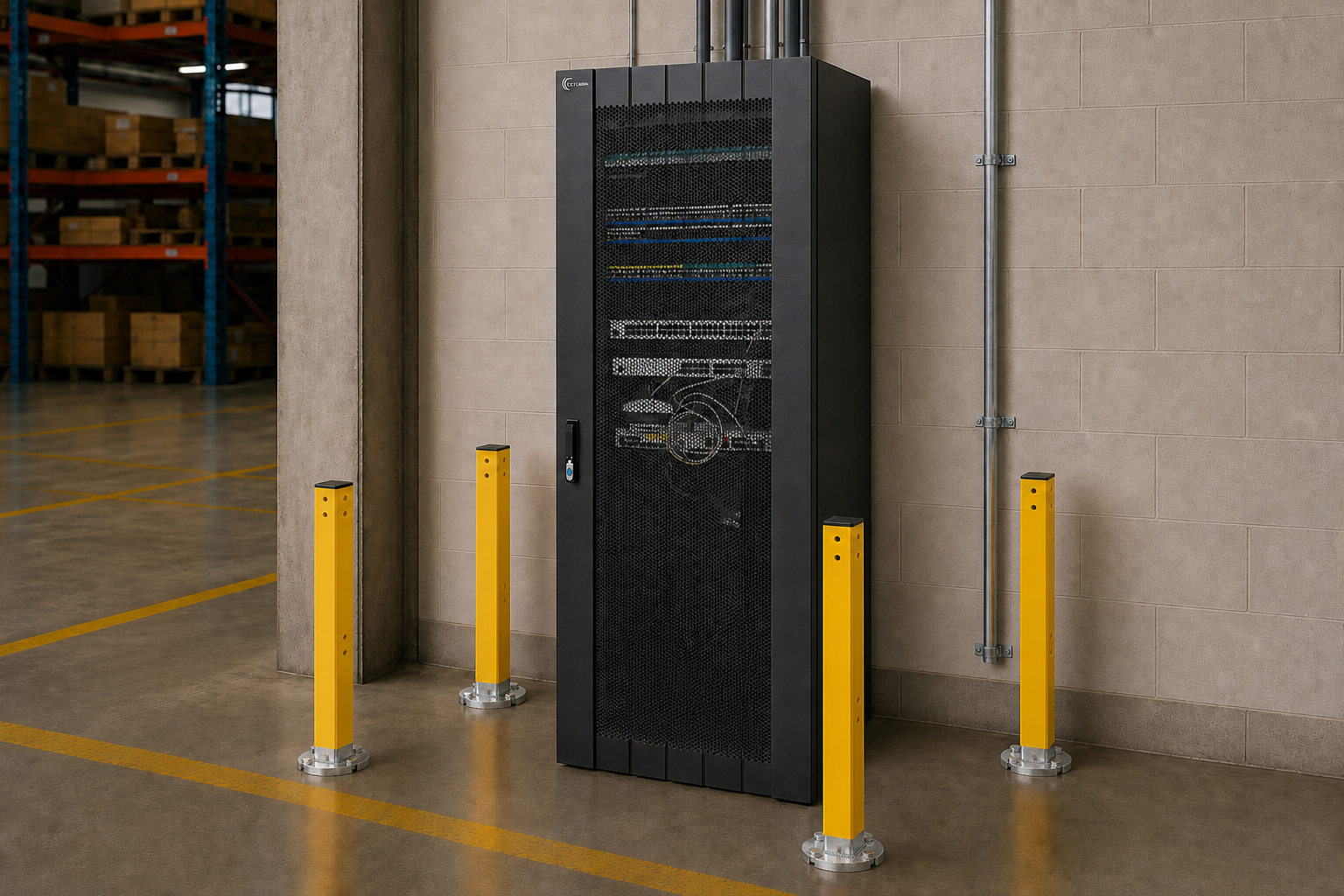

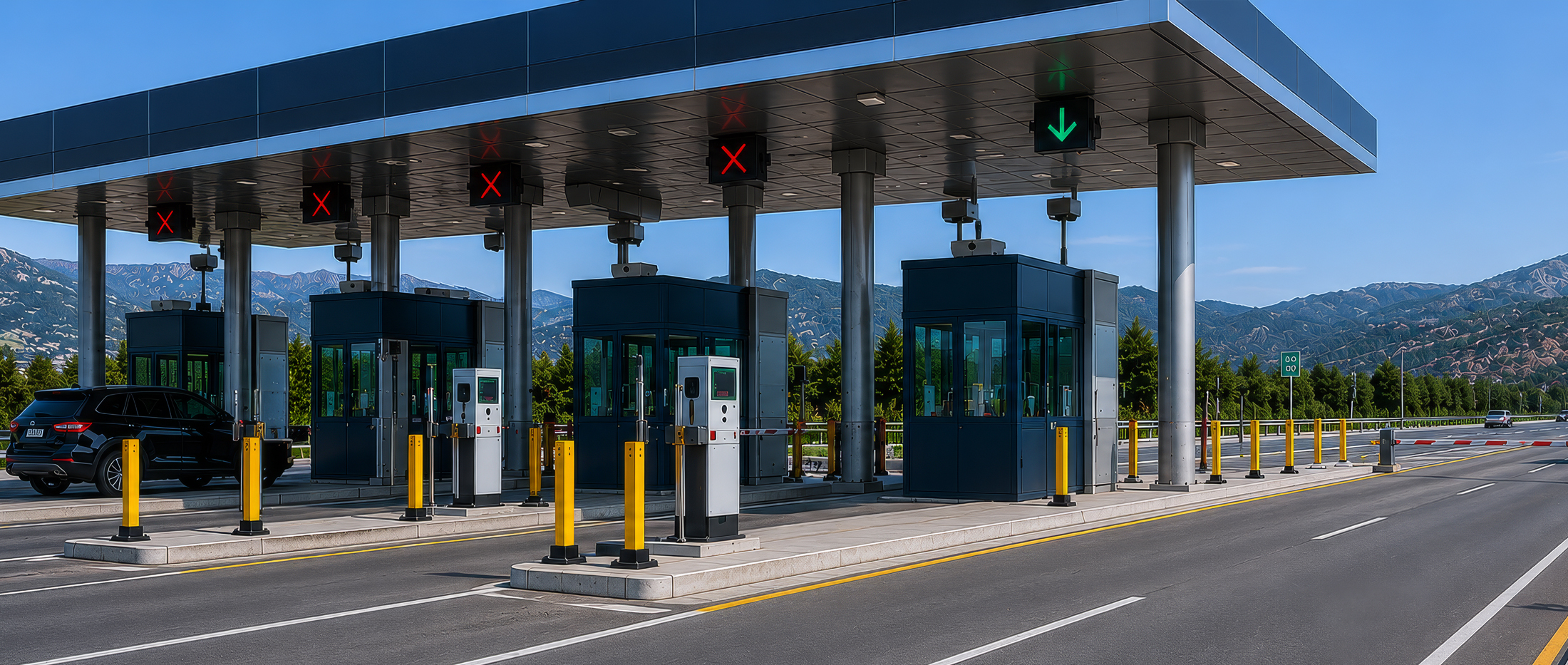
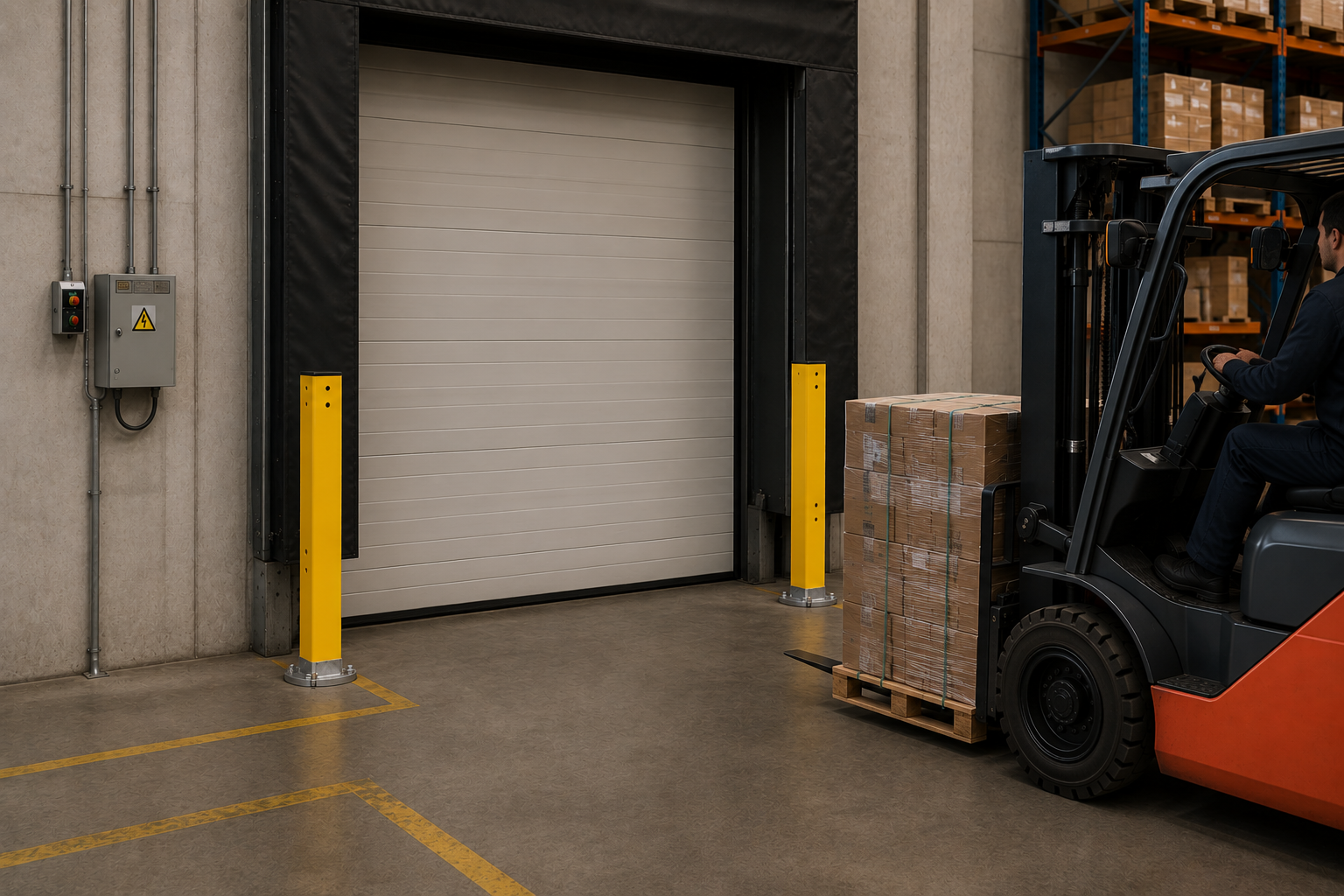

Bollards are essential safety elements designed to protect people, infrastructure, and equipment in areas exposed to vehicle and forklift traffic.
Overview
They act as physical barriers that control movement, separate traffic flows, and reduce collision risks across industrial, logistics, and commercial facilities.
Available in static and dynamic configurations, bollards can be adapted to specific operational needs, impact levels, and site layouts.
Protection Performance
Depending on the system, bollards either resist impact through rigid construction or absorb and manage energy through controlled movement. This allows selection based on traffic conditions, required protection level, and long-term durability considerations.
Design & Integration
Offered in various heights and configurations, bollards can be installed as standalone units or integrated with guardrails to form continuous protection systems across the site.
Safety Design
Engineered according to industrial safety principles, bollards improve traffic organization, enhance separation between pedestrians and vehicles, and reduce operational risk while requiring minimal maintenance.
Typical Applications
• Warehouses and logistics centers
• Manufacturing facilities
• Loading bays and service areas
• Pedestrian separation zones
• Protection of structures and critical assets
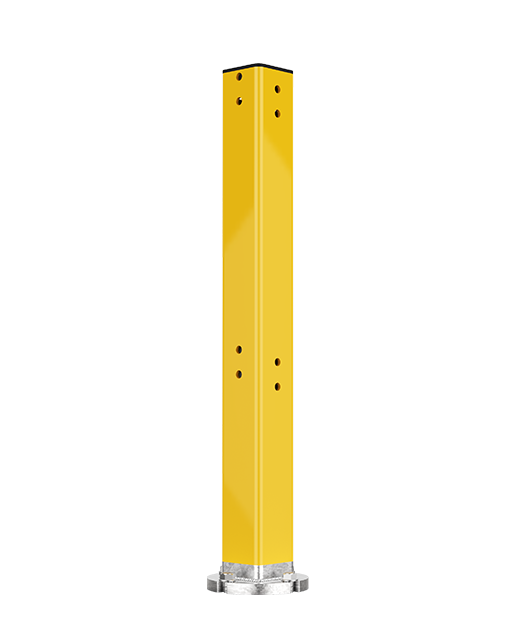
The Impact Bollard provides solid, fixed protection in areas exposed to high-risk vehicle and forklift impacts.
Its rigid construction creates a permanent physical barrier designed to stop or deflect impacts without movement, making it ideal for locations where maximum resistance is required.
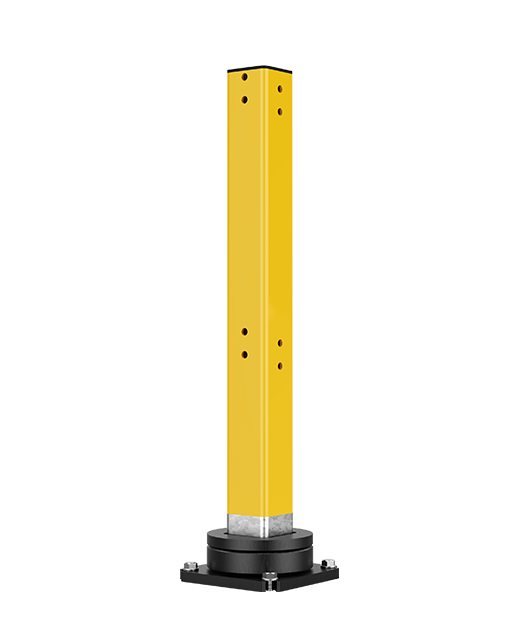
The Dynamic Impact Bollard provides controlled, flexible protection in areas exposed to frequent vehicle and forklift traffic.
Its dynamic construction is designed to move during impact, reducing collision forces while maintaining a high level of safety for people, infrastructure, and equipment.